RESEARCH & INNOVATION
From Community Screening to Scientific Discovery
We generate real-world evidence that shows how CKM prevention works outside the clinic.
Our track record
Society founders have published research on multi-modality CKM screening combined with education in diverse communities. In 2024, the Annals of Global Health published results from 1,209 participants across the United States and India. The study showed that screening with point-of-care labs, ECG, echocardiography, vascular ultrasound, and FibroScan is feasible and high-yield: nearly 1 in 5 participants moved to a higher risk category. Education significantly improved knowledge and self-efficacy.
Priority research programs
| Program | Key questions |
|---|---|
| Community-based CKM detection | What is the yield, feasibility, and cost of comprehensive CKM screening in rural, border, and underserved communities? |
| Education & behavior change | Does structured education improve CKM knowledge, health literacy, and follow-through? |
| CKM Registry | How do CKM stages, treatments, and outcomes change over time? (IRB-approved, privacy-protected) |
| Biomarkers, imaging & wearables | Which tests add the most to risk prediction? Can wearable data detect early CKM change? |
| Responsible AI | Can clinician-supervised AI improve staging, referral, and care coordination? |
| Implementation & equity | What prevents uACR testing, medication access, and referral completion, and how do we fix it? |
Douglas, Arizona: research in progress
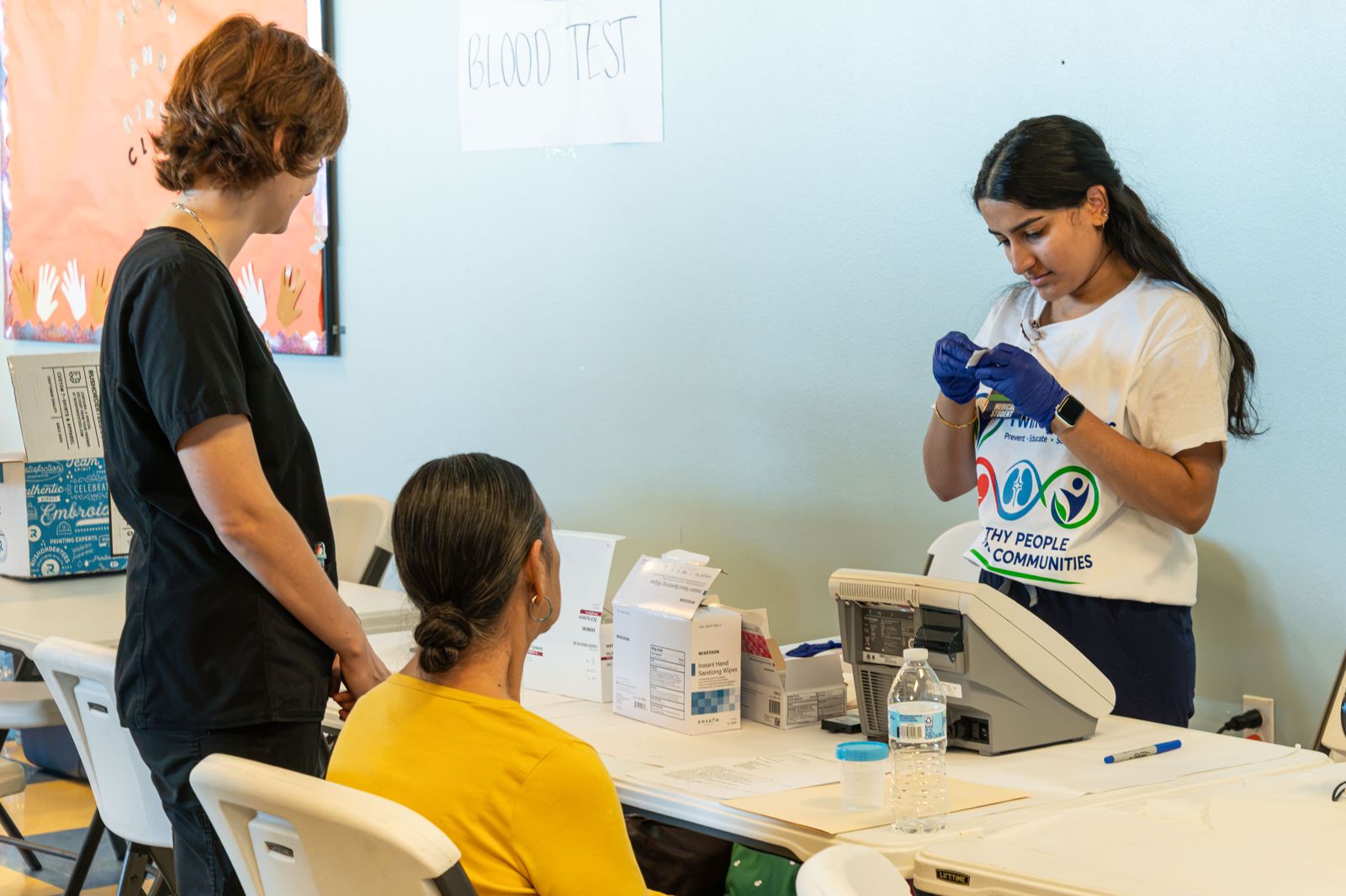
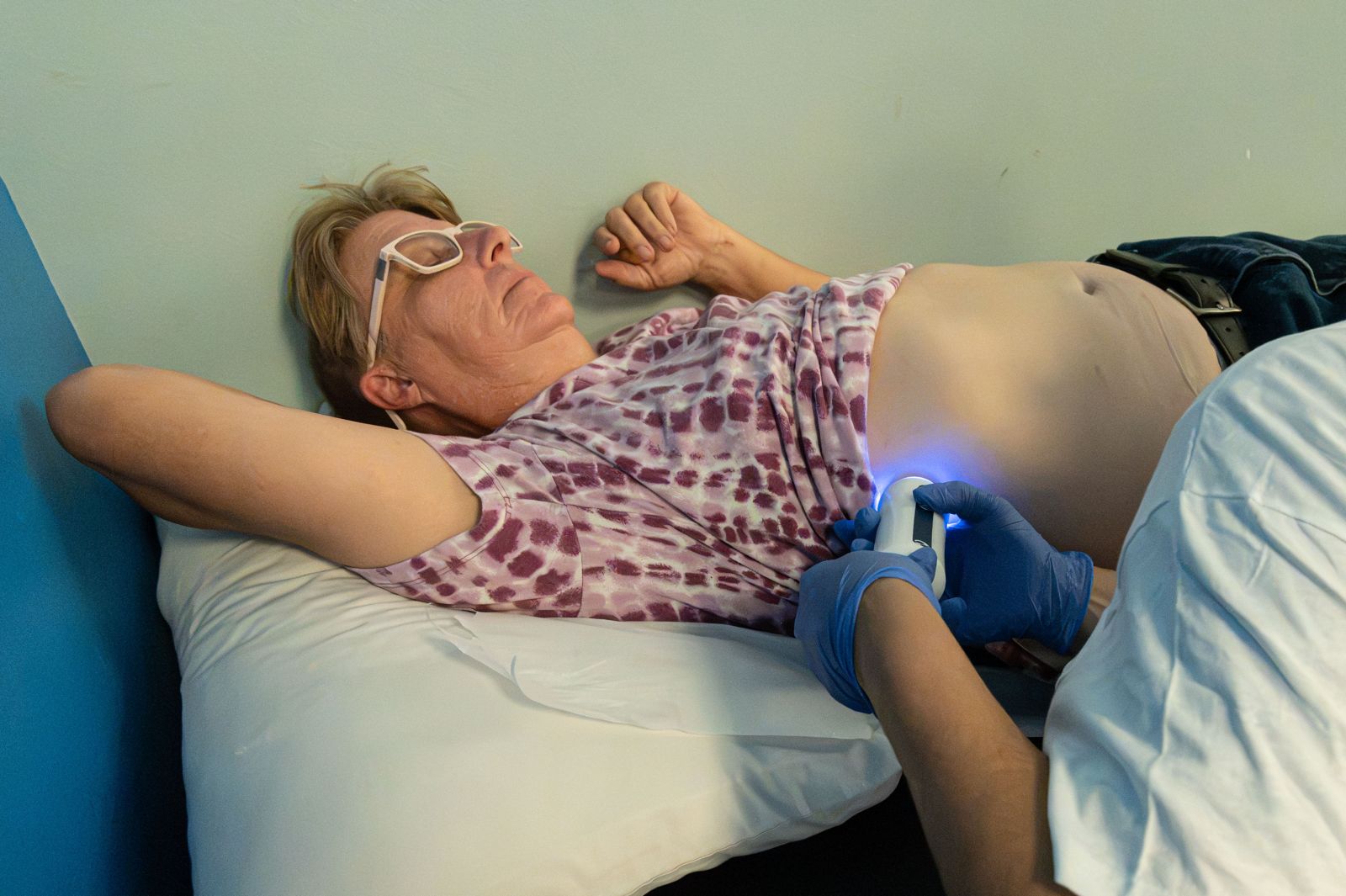
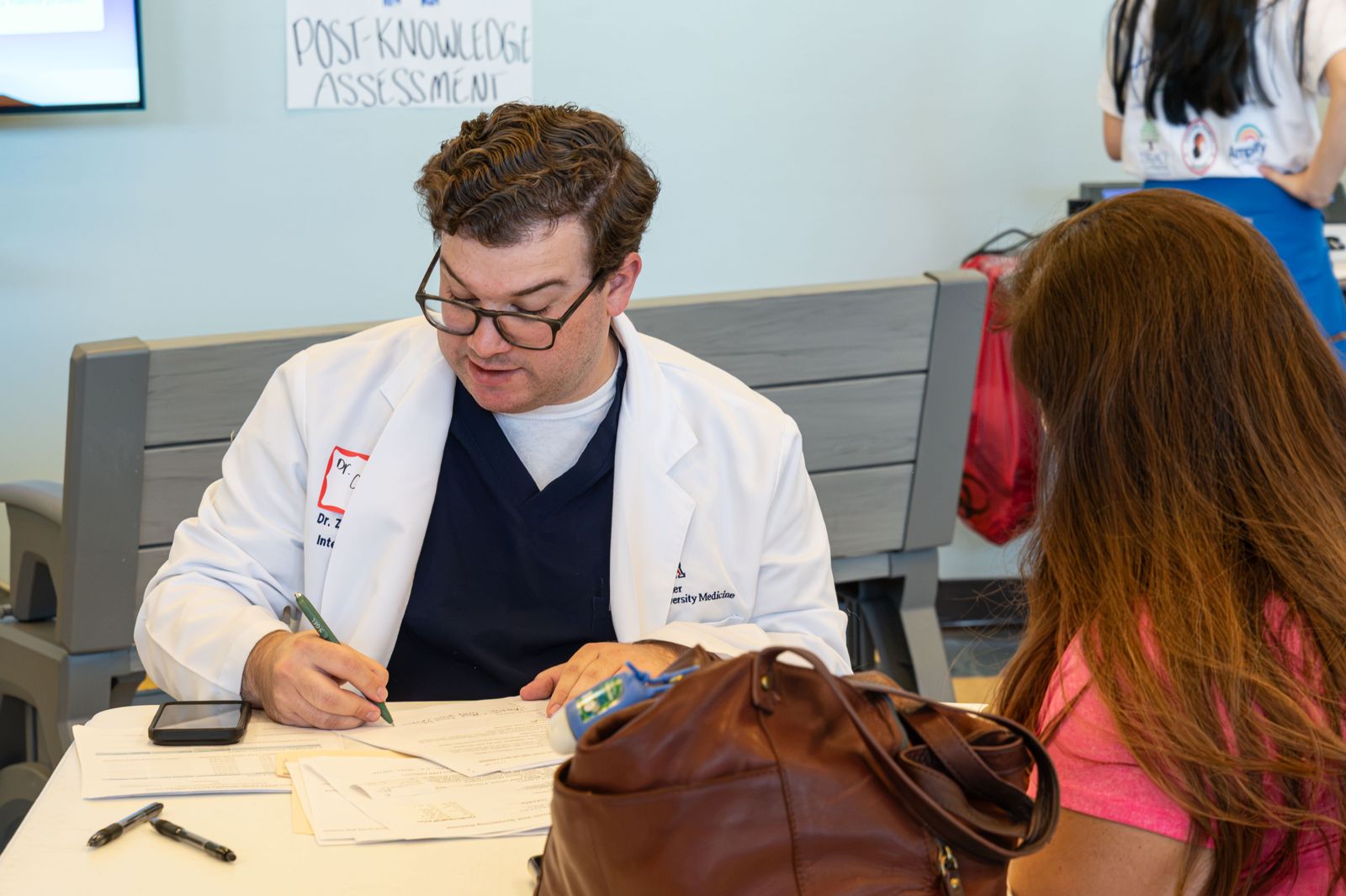
October 2026 Douglas health camp collected demographics, anthropometrics, vitals, body composition, point-of-care labs, ECG, echocardiography, FibroScan, and pre- and post-education knowledge assessments. Our analysis will address:
- How many participants had previously unrecognized CKM risk factors?
- What was the distribution of CKM stages?
- Did education improve CKM knowledge?
- What did ECG, echo, FibroScan, and body composition add beyond standard labs?
- Which factors predicted the need for referral and successful follow-up?
Results will be released after data validation, statistical analysis, and the required approvals.
Emerging science we are watching
Digital health may extend CKM screening beyond the clinic. A 2026 Google Research preprint combined smartwatch data with blood biomarkers in 841 US adults and found CKM impairment in 29% of participants. Step count, activity minutes, and resting heart rate were the strongest wearable predictors of cardiovascular and metabolic decline. (Preprint, not yet peer reviewed.)
Get involved
- Join a writing group or protocol committee
- Contribute data from your practice or health system to the CKM Registry (in development)
- Mentor or be mentored through the Early Career Academy
- Present your work at the 2027 Annual Convention (abstract call coming soon)
References
- Nabaty NL, Menon T, Trang G, ... Dolasa N, Sahani M, Deedwania P, Vijayaraghavan K. Global Community Health Screening and Educational Intervention for Early Detection of Cardiometabolic Renal Disease. Ann Glob Health. 2024;90(1):54. PMID 39183962.
- Ndumele CE, Rangaswami J, Chow SL, et al. Cardiovascular-Kidney-Metabolic Health: A Presidential Advisory From the American Heart Association. Circulation. 2023;148(20):1606-1635. PMID 37807924.
- Aggarwal R, Ostrominski JW, Vaduganathan M. Prevalence of Cardiovascular-Kidney-Metabolic Syndrome Stages in US Adults, 2011-2020. JAMA. 2024;331(21):1858-1860. PMID 38717747.
- Esmaeilpour Z, Heydari AA, McDuff D, et al. Cardiovascular-Kidney-Metabolic Health: Insights from Wearables and Blood Biomarkers. arXiv:2603.27787 [preprint, not peer reviewed]. March 2026.
- Khan SS, Matsushita K, Sang Y, et al. Development and Validation of the American Heart Association’s PREVENT Equations. Circulation. 2024;149(6):430-449. PMID 37947085.